|
CAN
YOU HELP ID WOMAN IN CCTV IMAGES?

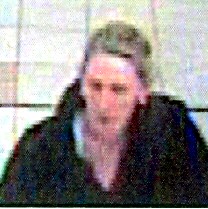
MERSEYSIDE Police have released
to the media CCTV stills of a woman officers would like to speak to
in connection with the theft of a purse in Bootle on Wednesday, 3
November 2010. At about 3.30pm a woman was shopping in Marks and
Spencers in Bootle Strand when she noticed her purse had been taken
from her handbag. Officers believe the woman pictured in the CCTV
stills may be able to help them with their enquiries. Police are
asking for the woman pictured or anyone who recognises her to
contact them on:- 0151 709 6010 or Crimestoppers on:- 0800 555 111.
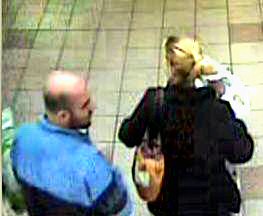
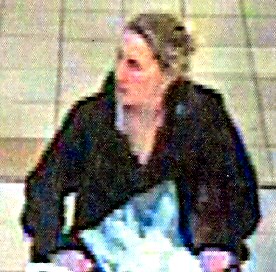
Wanted - Darren O'Reilly
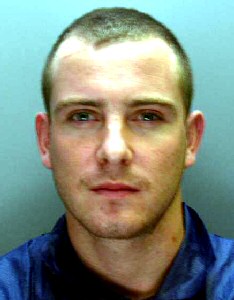
MERSEYSIDE Detectives have
released the photograph of a man they want to speak to in connection
with several burglaries in Liverpool and on recall to prison. Darren
O'Reilly is wanted following a burglary at a house in Woodgreen Road
in Stoneycroft in March in which offenders stole a flatscreen TV, a
wallet and designer clothes being fleeing in the family's silver
Ford Focus. The Focus was later recovered in Lower Breck Road in
Anfield by police. Mr Reilly, aged 25, whose last known address is
Jason Walk, L5, is also wanted for recall to prison since July
having broken the conditions of his licence. He had been given
parole having been sentenced to three years for burglary and theft.
Anyone who has seen him or knows where
he is are asked to call Merseyside Police on:- 0151 777 4382 or
Crimestoppers:- 0800 555 111. |
Warning on Carbon Monoxide
SITTING by the fire to keep warm
could have deadly consequences, a leading health campaigner has
warned. Blocked flues and badly ventilated homes often result in
householders being poisoned by carbon monoxide (CO), says
mum-of-four Lynn Griffiths.
Lynn, who founded the charity Carbon Monoxide Awareness after she
and her family developed severe health problems after being exposed
to toxic fumes, said:- “During cold weather we all turn on the
heating. But as well as warming up, you could be exposing everyone
in the house to deadly carbon monoxide at the same time."
Early winter is especially dangerous as fires or boilers that
haven’t been used in months are suddenly pressed into action.
Chimneys or flues could have been blocked during the summer and
autumn by debris, or even nesting birds. Plants may have grown and
covered wall vents. Exactly these sorts of events have caused lethal
tragedies in the past.
Lynn goes on to say:- “People who know nothing about carbon
monoxide poisoning often cover air bricks to prevent draughts, but
they’re unaware they are also blocking ventilation vital to avoid
poisoning. I believe my family only survived their exposure to
carbon monoxide because I was asthmatic. I used to keep a small
window open day and night throughout the year to allow fresh air
into the house. This fresh air saved our lives. There is so much
emphasis on keeping warm over winter – especially for older people.
They are actively encouraged to stop any draughts. But I truly
believe that carbon monoxide is far more of a health risk than
hypothermia.”
Lynn has drawn up a seven-point checklist to minimise the risks of
poisoning:-
► Get any fuel-burning appliances serviced regularly by a properly
qualified engineer
► Install a carbon monoxide alarm – one with an audible alarm
► Sweep chimneys and flues every year if you use solid fuel
► If you rent your accommodation, ask your landlord for an
up-to-date gas safety record
► Keep flues, air vents and grilles clear and ensure rooms are well
ventilated
► If you are entitled to a free gas safety check from your gas
supplier, take it up
► Don’t ignore symptoms
Lynn added:- “My children and I were constantly being told by
our GP to keep warm by staying by the fire. All the while we were
being poisoned by carbon monoxide. This is the reason why I want to
warn people. I want to see families talking about carbon monoxide to
each other. I want them to think about their neighbours’ health, and
keep an eye on the old person next door.”
Symptoms of Carbon monoxide poisoning include headache, nausea and
dizziness, feeling tired and confused, and sometimes difficulty
breathing. If you think you are suffering from carbon monoxide
poisoning, turn off your appliances, ventilate your home and contact
your GP or A&E department immediately. There is a simple test which
can check for the presence of Carbon monoxide in the blood. But it
is important to realise that measurable levels fall quite quickly
when you’re breathing fresh air, so a low reading some hours after
possible exposure to Carbon monoxide does NOT rule the danger out
completely. If there is any question about exposure to Carbon
monoxide, have your appliances checked by a properly registered
engineer before using them again.
Dr Ed Walker is medical advisor to Carbon Monoxide Awareness said
that:- “The results of carbon monoxide exposure are
devastating, even if you are fortunate enough to survive. Perhaps
even more tragic is that it’s so easy to avoid by taking a few very
simple steps. But worst of all for me are those cases that have
sought medical advice, but given such bad and wrong advice that they
are sent home to die. That’s inexcusable.”
For more information about the Carbon Monoxide Awareness charity,
log on to:-
covictim.org. There
is also vital information for doctors available on-line. At the
moment this is at:-
co-info.blogspot.com. |